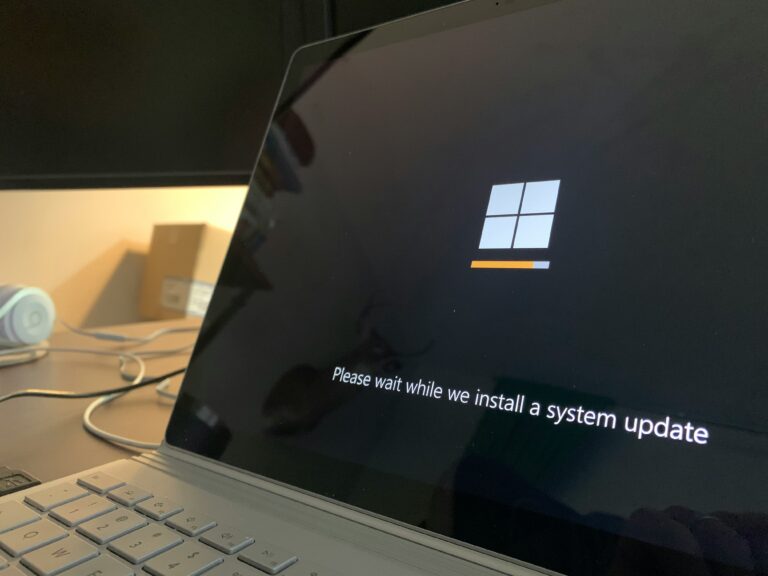
Many companies in Germany have not yet implemented the upcoming changeover from Windows 10. The change that lies ahead of us is crucial: On October 14, 2025, Microsoft will end support for Windows 10.
From this point on, the operating system will no longer receive free security updates – not even for newly discovered vulnerabilities. Those who continue to work with Windows 10 after that date expose themselves and their data to a considerable risk, because cybercriminals can exploit known and future security vulnerabilities unhindered.
The German Federal Office for Information Security (BSI) therefore urgently advises switching to Windows 11 in good time or alternatively using another operating system such as Linux. This is the only way to protect your own IT infrastructure in the long term. Almost all Windows 10 versions are affected – whether Home, Pro, Enterprise, Education or IoT Enterprise. Only special company variants with a fee-based Long-Term Servicing Channel will receive updates for a limited time.
For most users, the following applies: Anyone who delays the switch further puts themselves in danger.
The experience of our incident response team clearly shows that delays often have serious consequences – from massive disruption to business operations to successful ransomware attacks.
With the Extended Security Update program, Microsoft offers a paid option to obtain security updates until 2028, for the first time even for private users. But our security experts point out that this is only a temporary solution. In the long term, there is no way around switching to a modern operating system. This is because the end of support not only means a lack of security updates, but also an increased risk of malware, ransomware and phishing attacks. In addition, it is to be expected that new software and applications will increasingly be developed exclusively for Windows 11. Particularly sensitive or business-critical processes should therefore never run on an insecure system.
The need for action is great. It is advisable to check as soon as possible which version of Windows is currently in use and to upgrade to Windows 11 – as long as the hardware meets the technical requirements. In cases where this is not possible, switching to an alternative operating system such as Linux can be a sensible solution. In any case, it is important to make a complete data backup before the changeover in order to avoid possible losses. For companies that cannot yet make the switch in the short term, the ESU program offers a certain delay, but a clear migration plan should also be developed here.
Almost half of all PCs worldwide are still running Windows 10 – a circumstance that makes these systems an attractive target for attack. In Germany in particular, millions of devices are still in use that work flawlessly from a technical point of view, but pose a significant safety risk after October 2025. So if you hesitate now, you risk not only the loss of important data, but in the worst case the failure of entire systems or infrastructures.
If you haven’t made the switch yet, now is the time to do so. If you are unsure which way is best for your company, we will be happy to support you in the decision-making process. Together with you, we develop a solution that fits your IT and ensures that your systems remain reliably protected even after the end of Windows 10 support.