




How to deal with a data incident: Conrad Electronic

Image source: Conrad.de 20.11.2019 How to deal with a data incident: Conrad Electronic Cybersecurity | IT Protection | Data protection Today it’s not about a current danger, but about the data protection incident of the electronics retailer Conrad and how to proceed in such cases! What happened? Through an attack on Conrad’s IT systems, unknown […]
How do I recognize a scam email? The 12-point checklist for phishing, spam and co.

Who doesn’t know it, the e-mail inbox is overflowing and you laboriously click through the list of unopened messages. Criminals hope for the one moment when concentration wanes and the thoughtless recipient clicks on the dubious link or infected attachment. Maybe he also discloses confidential data?
What to do if Google Calendar is flooded with ads…

Currently, cyber fraudsters and dubious advertisers are sending out numerous Google calendar invitations. Instead of real appointments, these contain spam messages. We’ll show you how to protect yourself against it.
Sun, beach and laptop? 5 tips for more cybersecurity during the holiday season

Employees are at the forefront of a company’s security chain, but at the same time, they are also the biggest risk factor when it comes to cybersecurity. Very few people know that the danger of cybercrime is omnipresent outside of working hours or when working remotely.
The right settings: Browse safely and privately with the Firefox browser
If the browser is not configured properly, it can quickly become a gateway for cybercriminals. Firefox is one of the most common providers. Learn what security settings you can set to keep your browsing safe while you work.
Not in the mood for overflowing mailboxes? How to protect yourself from spam emails
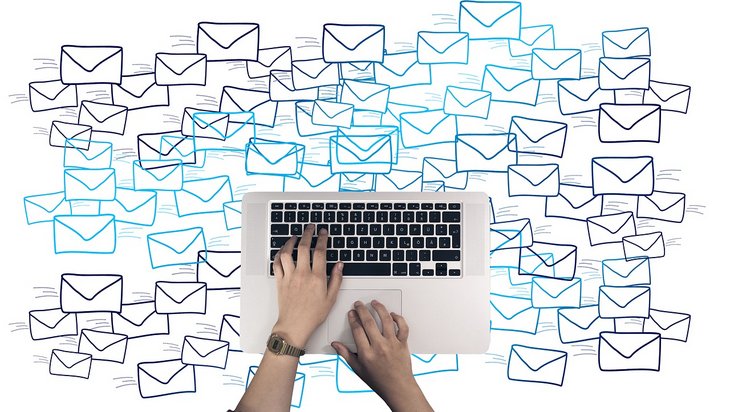
According to the e-mail providers GMX and Web.de, the number of unsolicited advertising messages increased by 34 percent in 2018. We’ll show you what you can do to avoid the spam wave.
What is phishing?
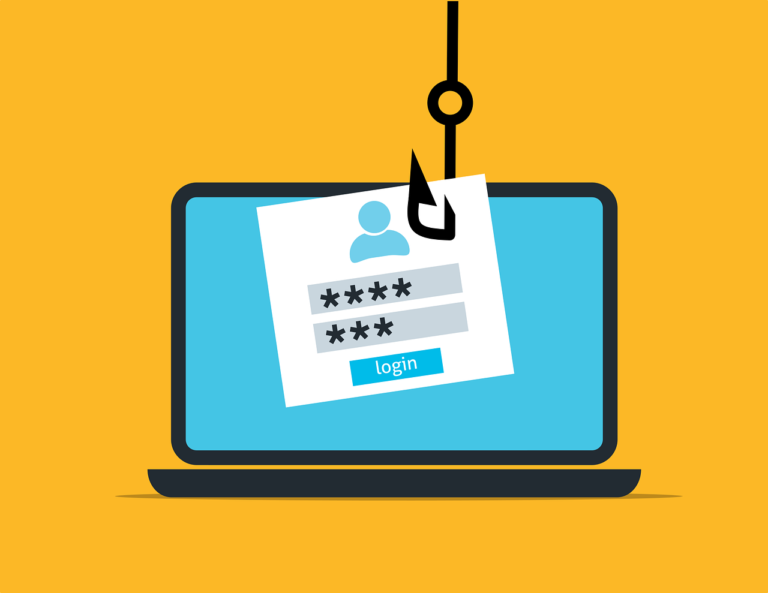
Stealing information by faking false facts via email is one of the most common and dangerous forms of attack for companies.
Cyberspace: 4 reasons why the Internet is so attractive to criminals

Cybercriminals fish for sensitive company data or paralyze computer systems of entire companies in order to blackmail them. But what exactly makes the Internet so interesting as a crime scene?
Part: 3 Would you have fallen for it? The most sophisticated scams to obtain company data.

How much do you trust your online rendezvous? It is common knowledge that you should not reveal too much information with Internet acquaintances. However, when it comes to their own career or love, even level-headed people forget all the basic rules of cybersecurity. Criminals exploit vanity and loneliness to get hold of company data.
Part 2: Would you have fallen for it? The most sophisticated scams to obtain company data.

Have you heard of the evil twin? In the second part of our series, we will again introduce you to three inventive tricks used by cybercriminals and give you suggestions on how to protect yourself from such maneuvers.