ENISA: Cyber threats are becoming increasingly sophisticated and targeted
Cybersecurity | Cyberattacks | Protection
For the eighth time, the European Union Agency for Cybersecurity (ENISA) provides an overview of the current threat situation from cyber attacks and malware in its report “Threat Landscape 2020”. The outlook: frightening
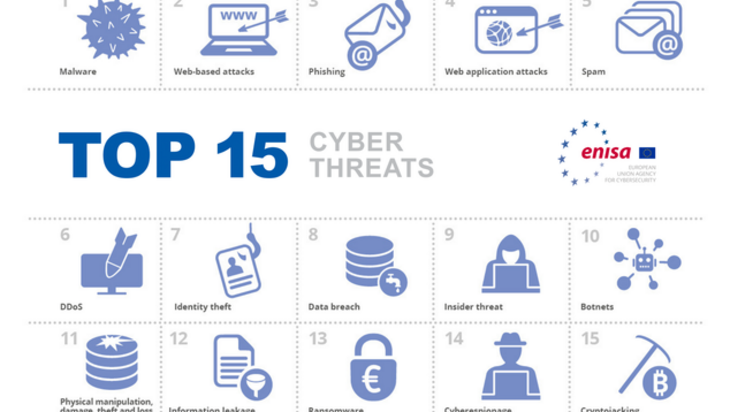
The list of horrors: These 15 cyber threats are the most common
Malware
Web-based Attacks
Phishing
Web Application Attacks
SPAM
Distributed Denial of Service (DDoS)
Identity Theft
Data Breach
Insider Threat
Botnets
Physical Manipulation, Damage, Theft and Loss
Information Leakage
Ransomware
Cyber Espionage
Cryptojacking
Here are the key takeaways from ENISA’s Threat Landscape report:
While malware is still listed as the No. 1 threat, threats from phishing, identity theft or extortionate malware are catching up strongly.
The main motive of the attackers remains personal enrichment.
Many cybersecurity incidents still go unnoticed or are only discovered after a long time – on average, only after six (!) months.
More and more attackers are using social media to further increase the efficiency of their attacks.
Attacks by state-controlled actors to obtain high-quality data and even state secrets continue to increase.
As digital technologies continue to diversify, the number of potential vulnerabilities in virtual and physical environments is increasing.
The pandemic has further fueled attacks on home offices, shops, administrations and critical infrastructure.
During the pandemic, cybercriminals have been shown to develop their skills, adapt quickly and target relevant victim groups in a more targeted manner.
From copycats of popular brand websites to fraudulent services that never deliver the goods, the number of fake online shopping websites and fraudulent online retailers has reportedly increased during the COVID-19 pandemic
The number of incidents of cyberbullying and sextorsion also increased with the COVID-19 pandemic. The use of smartphones and social media platforms makes younger generations particularly vulnerable to these types of threats
The number of phishing victims in the EU continues to rise, with malicious actors using the topic of COVID-19 to lure them in. COVID-19-themed attacks include messages with malicious file attachments and messages with malicious links that redirect users to phishing websites or malware downloads
ENISA’s “Threat Landscape” report makes it clear that there is still a long way to go to achieve a more secure digital environment. This is mainly due to the weakening of existing cyber security measures due to changes in work and infrastructure patterns as a result of the COVID-19 pandemic. This has led to an increase in personalized cyberattacks by cybercriminals using more advanced methods and techniques.
And this will be with us at least as long as the pandemic itself. The end is open.